
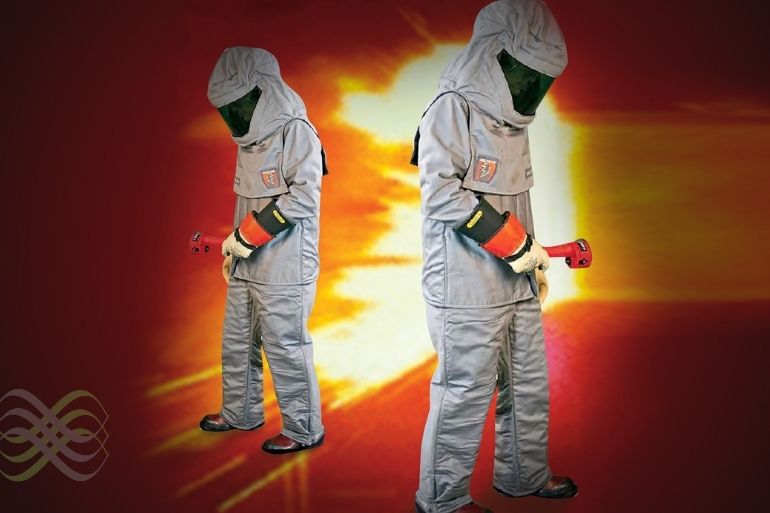
Electrical incidents are among the most hazardous work hazards in the various parts of the Australian continent, particularly in those industries which handle high voltage equipment, switch boards, power systems, and the operations of the industrial plants. Arc flash incidents are the most destructive of these hazards because they can result in severe burns, hearing loss, blindness, long-term injury, or even fatalities due to their ability to cause all of them within a fraction of a second. This is the reason why Arc Flash Awareness Training in Australia has become a necessary safety measure to both the workers and employers wishing to enhance safety at work and attain national compliance.
Incidents of arc flashes happen more often than what most businesses are aware of and it takes more than just protective equipment to mitigate them and it involves awareness, training, proper procedures and good knowledge of the electrical hazards. With educated workers, organisations will be safer, within the law and more resilient when it comes to accident prevention.
The Knowledge of What is an Arc Flash.
An arc flash is a spontaneous electrical discharge which occurs due to short circuiting or due to faulty condition in electrical systems. Electrical current going out of its target and passing through the air between the conductors will cause a flash which will release too much heat, too much light, shock waves, and molten metal. The heat in an arc flash can be as high as 19,000 o C which is warmer than the surface of the sun and it will cause immediate and devastating damages.
This renders arc flash as one of the most dangerous electrical hazards in industrial/construction, engineering, power generation, mining, as well as commercial plant settings. Employees who face such a risk should not only be aware of how an arc flash arises, but also on how it can be avoided.
What Parties are in need of Arc flash awareness training in Australia?
The arc flash training is crucial to any worker who comes into contact with electrical circuits or works in areas near electrical equipment under exciting conditions. These are electricians, engineers, data technicians, switchboard operators, maintenance workers, electrical contractors, mining workers, manufacturing workers, facilities managers, and safety workers and workers who are supervisors in high-risk electrical operations. Arc flash training is now being implemented as a requirement by many Australian companies as a protection measure to employees and as a way of complying with the Work Health and Safety (WHS) legislation.
Through staff education, organisations can save a lot of money and minimise injury claims, minimise financial loss, reduce occurrences of electrical incidents and develop a culture of accountability and safety in the workplace.
What the Training Covers
Arc Flash Awareness Training provides the workers with necessary knowledge that starts with electrical hazard awareness and arc flash risks factors. The participants are taught about electrical faults, the difference between arc and arc flash incidents, and the possible impact that these two events have on the safety of people and infrastructure. Much emphasis is made on hazard identification, risk evaluation at the workplace, prevention of incidents, and the importance of safety compliance regulations like NFPA 70E and Australian electrical safety regulations.
The training further elaborates why safe approach distances are important, why lockout/tagout procedures are important, why equipment should be inspected prior to usage and why the knowledge of arc flash boundaries. The employees are instructed on how to interpret electrical warning signs, understand classifications of hazards, and understand when special protective precautions are needed before commencing any type of work.
A significant part of the course is devoted to the education of the personal protective equipment (PPE) that consists of flame-resistant clothing, a face mask, gloves, and insulated tools. Nonetheless, during training it is stated that PPE is the last of the protective measures, not the method of primary control. The most effective barriers between electrical injury and workers are prevention, planning and safe practices.
Certification and Continued Compliance.
The Arc Flash Awareness Training offers nationally recognised competency based certification on successful completion. Although the refresh timelines are reliant on workplace regulations, electrically hazardous environments tend to promote revision of training after 12-24 months to keep employees in step with the changing safety standards, legal equipment requirements, and improved protective schemes.
Implication – Awareness Saves Lives.
Arc Flash Awareness Training in Australia is not just a safety training but it is a life saving blanket against electric dangers that can cause death. By the workers knowing the precautions, the risks and using safety procedures correctly, preventable tragedies are prevented before they occur. The most effective measures to use in preventing arc flash injuries are education, preparation, and compliance.
Arc flash training is mandatory and not optional to individuals and organisations that are determined to ensure safety in the workplace. The more conscious the work force, the better the future is.

Recent Comments